
The Discipline of Play
When we hear the word discipline, most of us picture structure, focus, and repetition. Discipline is the thing that gets us up early, keeps us practicing, and pushes us to polish every detail until it gleams. But so often this mindset brings with it a stigma of relentlessness, great effort, and maybe a little bit of suffering. It brings to mind the image of sisyphus pushing that boulder up the mountain. Brutal!

However, there’s another side to mastery that often gets left out of the conversation: Play.
Play is curiosity in motion. It’s the spark that makes you try the ridiculous idea, the funny face, the untested route. It’s how children learn! What would happen if I spill this entire carton of milk on the floor? What if I kick this ball over the fence? What if I lock myself in this trunk, could I get out?
That last example is absolutely a real thing. I should know, I did it myself! Ok, quick story time. I was 10 or 11 years old and my parents drove an old sedan, and I had the brilliant idea to try my hand at being an escape artist like harry houdini. (If I only younger me could see me now! lol). So I planned the escape. I was able to unlock the back of the car seat to get out on every single practice run, so I was so confident. So confident that I invited another friend to join is me the escape. So, it was time to do finally go through with it. My friend and I climbed into the dark, cramped space, and for the first time I fully closed the trunk, locking it. I sat in the dark, smug with confidence. I lean over to the back of the seat, and wouldn’t you know it, the lever jammed. Yup, it was fully and completely stuck…
Unfortunately for me and my friend, I didn’t let anyone know what we were doing! We began to forcefully kick the back of the seat, it didn’t budge. We pressed on the trunk hatch, nothing. Then, after much consideration, we promptly began to panic. Only after a 10 or so minutes, my little sister heard us screaming for our lives, and my mother came to investigate. At the time, it felt horrifying, as if we narrowly escaped death. But guess what, I LEARNED! I didn’t know it at the time, but what I was doing was an experiment. And experiment through the act of play.
Children experiment without fear of failure, without worrying whether they’re doing it “right.” Kids somehow intrinsically understand that playing is the best way to learn. Yet, as we grow more professional, more serious, more experienced, that openness tends to shrink. We are taught that play time and learning time are two seperate things. Eventually, we stop playing all together. As if playing is seen as “childish”, unproductive, and a waste of time. Instead we are taught to work harder, to keep our nose to the grindstone, and be disciplined. We grow self-conscious, and prioritize protecting our reputations instead of our imaginations.
However, play is not the opposite of discipline. It’s a form of it. Sometime play is the fastest route to growth and understanding.
Curiosity Is the Engine of Growth
Every skill, whether it’s juggling, painting, coding, writing, or teaching, eventually reaches a plateau. Discipline keeps you practicing, but curiosity gets you unstuck (yes, I see the irony with my trunk story).
The moment you start asking “What if…?” is the moment you stop repeating and start discovering.
Playful experimentation is what turns technical ability into artistry. It’s where happy accidents become innovations. It’s where humor breaks the tension and opens new possibilities.
Children don’t need to be told to stay curious, they just are. But adults have to choose curiosity. We have to deliberately make space for it. The best way to progress in any endeavour (especially a creative one) is to embrace a childlike sense of curiosity, play, and humor.
Humor as a Tool, Not a Distraction
Humor is a survival skill in the creative process. It’s the permission slip that lets you fail without shame. When you can laugh at your own flops, you create psychological safety. This is the fertile ground where risk-taking can thrive.
Professionally, humor often gets mistaken for a lack of seriousness. But in truth, it’s a sign of resilience. It says: “I can handle things going wrong and still keep going.”
And oftentimes, “things going wrong” is the only way to progress. I wrote entire blog about Fear, Failure and the Fine Art of Falling. If you’re interested in reading more about embracing your mistakes, I’ll link to it at the end of this post.
A playful mindset doesn’t mean being careless. It means un-sticking yourself from expectation, and opening yourself up to possibilities.
Uh oh.. I can hear a sigh from the audience. “That all sounds well and good” You might say, “but the real world just isn’t like that. I don’t feel a sense of creativity or wonder when I walk into my soul sucking office job every morning.”
And you’re absolutely right!
Protecting Playfulness in Professional Spaces
The professional world has a way of squeezing out play. It is so effective at extracting our sense of wonder and imagination. Deadlines, expectations, teacher feedback, they can all make us cautious. They give us a real sense of fear. “Failure will not be tolerated!”.
In every class we took in school, there was “the right answer” and nothing else. Experimentation and play was replaced by procedures and results. When did we stop taking risks? When did we stop pushing boundaries? Now, let me be clear, I don’t blame the teachers, and I don’t even blame the schools. I blame the way our society prioritized uniformity and efficiency. It permeates our entire culture.
So what can we do? Whelp, at the end of the day YOU are responsible for YOU. Now that you’ve read this blog post, you can make the active choice to prioritize play. You can choose to keep your curiosity alive. But like any other discipline, it takes practice and dedication. Just like exercising a muscle, exercising our curiosity is a process. Over time your resilience will grow, and you will find being creative comes more naturally and enjoyably. So I’ve included some actionable tasks you can do to keep that sense of wonder and imagination strong.
A few ways to do that:
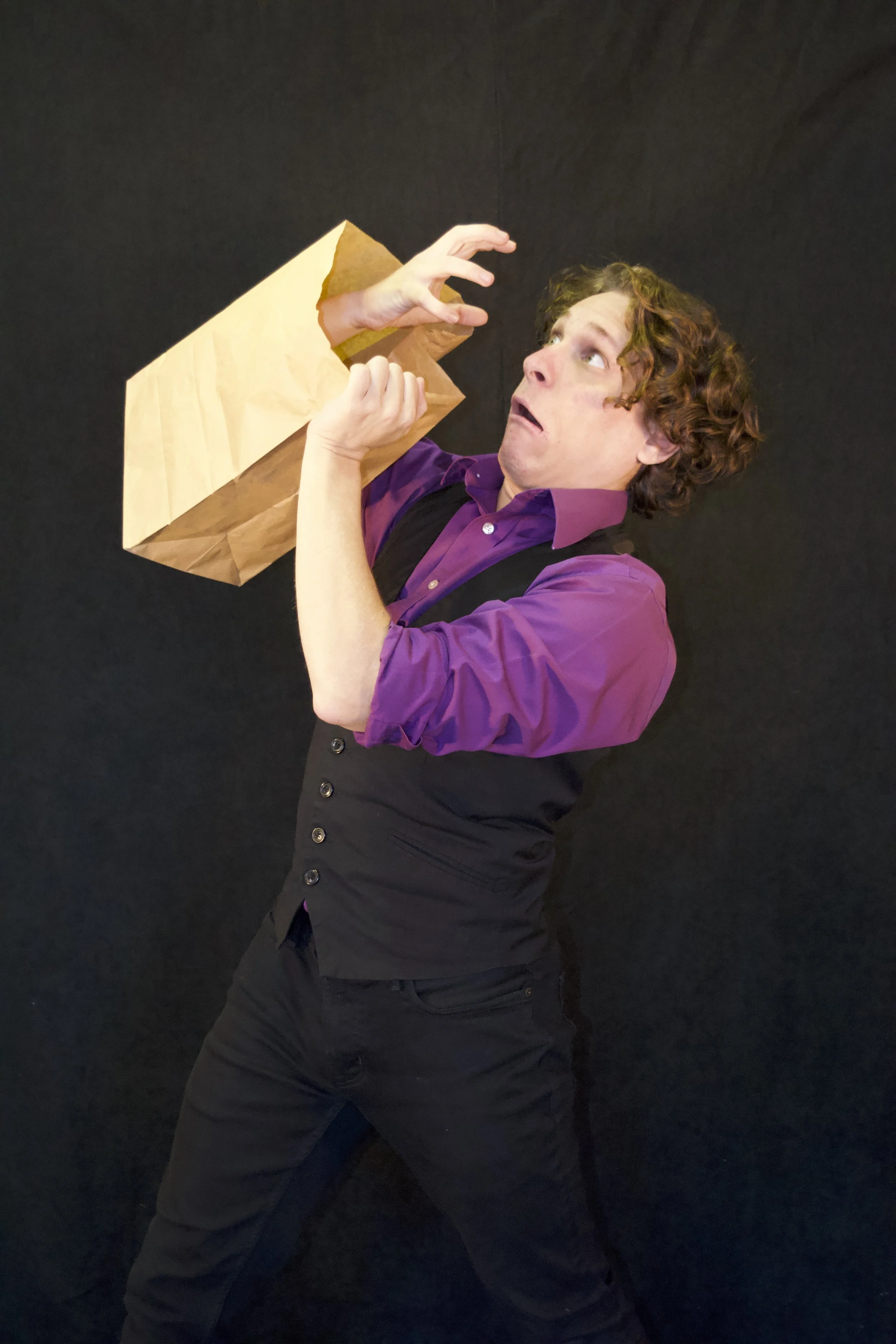
Schedule time to play. Literally block it off. No goals, no productivity metrics, just exploration. There might be days where nothing productive happens, and that is great! That is not a sign you’re failing, but a sign that you are finally giving yourself permission to just be in the moment.
Welcome mistakes. Not as problems, but as invitations to learn something you didn’t plan on. There are only two option when you try something. You either succeed, or you learn.
Surround yourself with the unserious. Work with people who make you laugh, who challenge you to loosen up. Be a force for creativity in your workplace, in your hobbies, and with your family. Encourage risk taking! Be silly!
Revisit your beginner self. Remember why you started, the thrill of discovery, the joy of making something for no reason at all.
To Conclude!
Here’s the paradox: play requires discipline, and discipline requires play. Without structure, play becomes chaos; without play, structure becomes prison.
The craft thrives in the balance, where curiosity is guided by intention, and skill serves imagination.
So the next time you catch yourself tightening up, trying to be professional, take a breath. Smile at the absurdity of it all. And then ask the most important creative question you can:
“What if?”