
The Surprisingly Useful Art of Getting Bored
Boredom doesn’t get much respect. It’s usually treated like an unwanted guest who shows up early, stays too long, and doesn’t even bring snacks. Most of us will do anything to avoid it. Reach for a phone. Rearrange a drawer. Suddenly remember a pressing need to alphabetize the spice rack. Without even thinking, we fill the space. We find another task, another micro-hobby, another mild obsession we’ll abandon in a couple of weeks when the schedule inevitably bursts at the seams.
And it’s funny how deeply this has seeped into our language. When someone asks how we are, we have our standard script: “good, you?” No need to pause, no need to reflect. Just a social handshake wrapped in words. But ask someone what they’ve been up to, or how things have been, and nine times out of ten you’ll get a single, triumphant answer.
Busy.
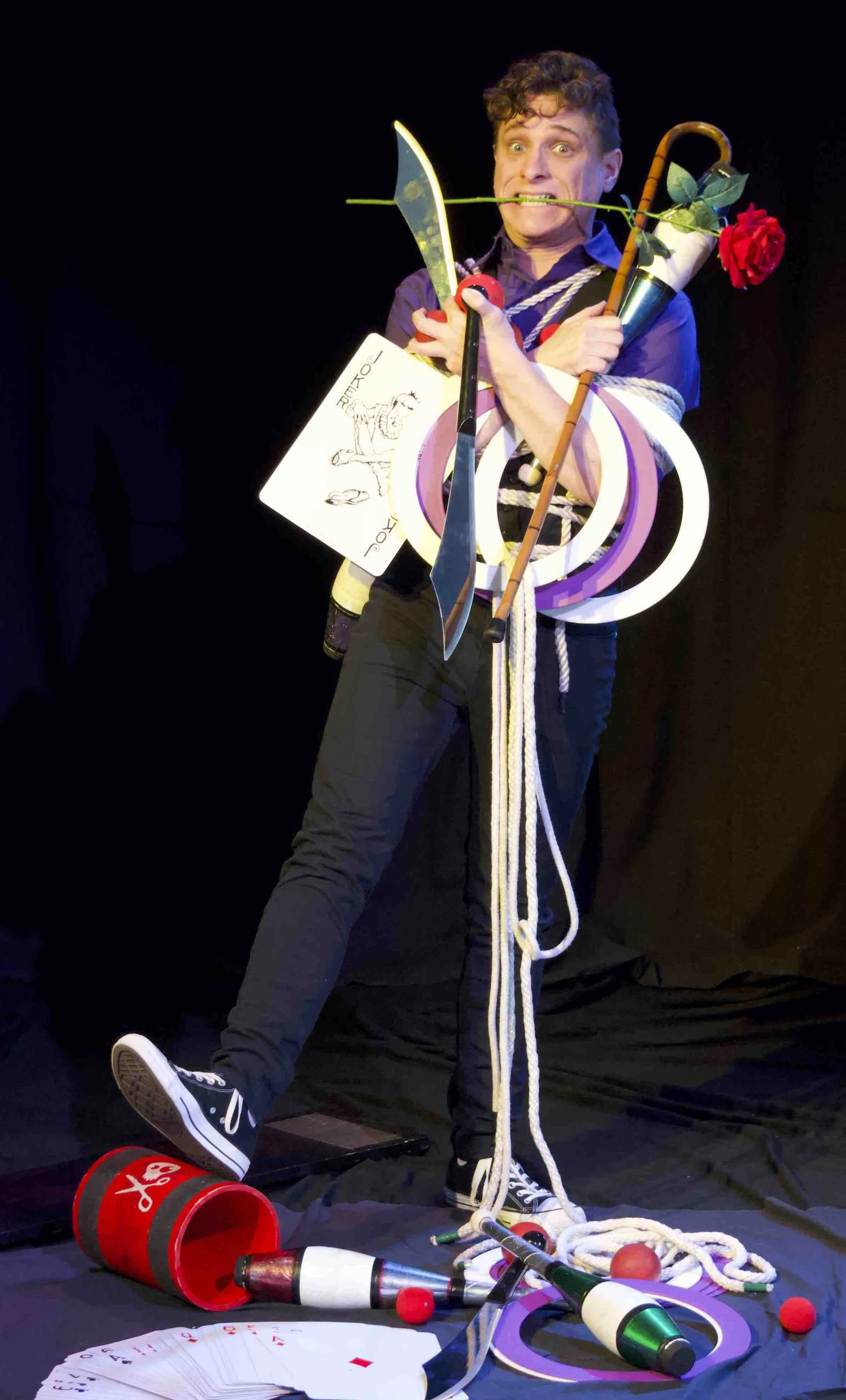
As if busy is a virtue in itself.
As if the only correct state of being is in motion.
Gotta be busy.
Gotta keep moving.
If you stop, even for a breath, someone else will race past you.
Don’t stop.
Don’t slow down.
And for heaven’s sake, don’t think. Thinking is how you fall behind.
Sound familiar? I know it certainly does for me!
In a culture built on productivity, boredom has been cast as the enemy. Something suspicious. Something dangerous. Something to be avoided before it ruins everything you’ve worked for. So when boredom does sneak in, even for a moment, our brains panic. Withdrawal symptoms kick in. We grab a screen, any screen. A phone, a tablet, a television, the back of a cereal box. Even a fidget spinner, if that’s the closest dopamine dispenser available. Anything to escape the terrible vacuum of unoccupied time.
But here’s the twist: boredom is not the enemy. It’s the compass.
For creatives, performers, makers, and anyone trying to build something that didn’t exist yesterday, boredom is the quiet doorway into the parts of the mind that don’t surface when we’re busy executing the next task. When I allow myself to be bored, truly bored, not the performative kind where I pretend to rest while secretly refreshing emails, something starts shifting.
The mind wanders.
Thoughts stretch.
Ideas unspool at their own pace.
A space opens that productivity cannot create.
In my line of work (The circus), boredom has become the unlikely engine behind some of my best ideas. It shows up during repetitive drills when my body has settled into autopilot and my mind starts tinkering with what might come next. It shows up on long drives home after a show when the adrenaline has faded and my attention loosens. It shows up in those strange, suspended minutes where I stare at nothing in particular and my brain finally has the freedom to make weird, unexpected connections.
The act that seemed impossible suddenly has a pathway.
The show that felt stuck reveals its next beat.
The business problem that’s been taunting me for days resolves itself with a solution so obvious I’m annoyed I didn’t think of it sooner.
None of that happens when I’m rushing.
None of it shows up when I’m busy for the sake of being busy.
It happens in the stillness we’ve been trained to fear.
Boredom is the soil that imagination grows in. Creativity doesn’t thrive under pressure; it thrives in space. In quiet. In those moments where nothing demands attention and the mind finally gets to wander without supervision.
But embracing boredom requires a small rebellion. It requires stepping out of the cultural current that insists we should be sprinting at all times. It requires trusting that thinking, pausing, and doing absolutely nothing can be not only useful, but essential.
In running a circus business, this has become one of my most reliable tools. I don’t schedule brainstorming sessions anymore. I schedule boredom. An hour with no agenda. A walk with no podcast. A moment with nothing to fix or optimize. That’s where the unexpected lives.
If you’ve ever found yourself staring into space and suddenly stumbling on an idea that feels like it came out of nowhere, you already know this truth.
Boredom is not a void.
It’s a signal.
A quiet invitation.
The mind’s way of clearing the stage for something new.
If we stop running from it, it might just show us the next thing we didn’t know we were ready to create.